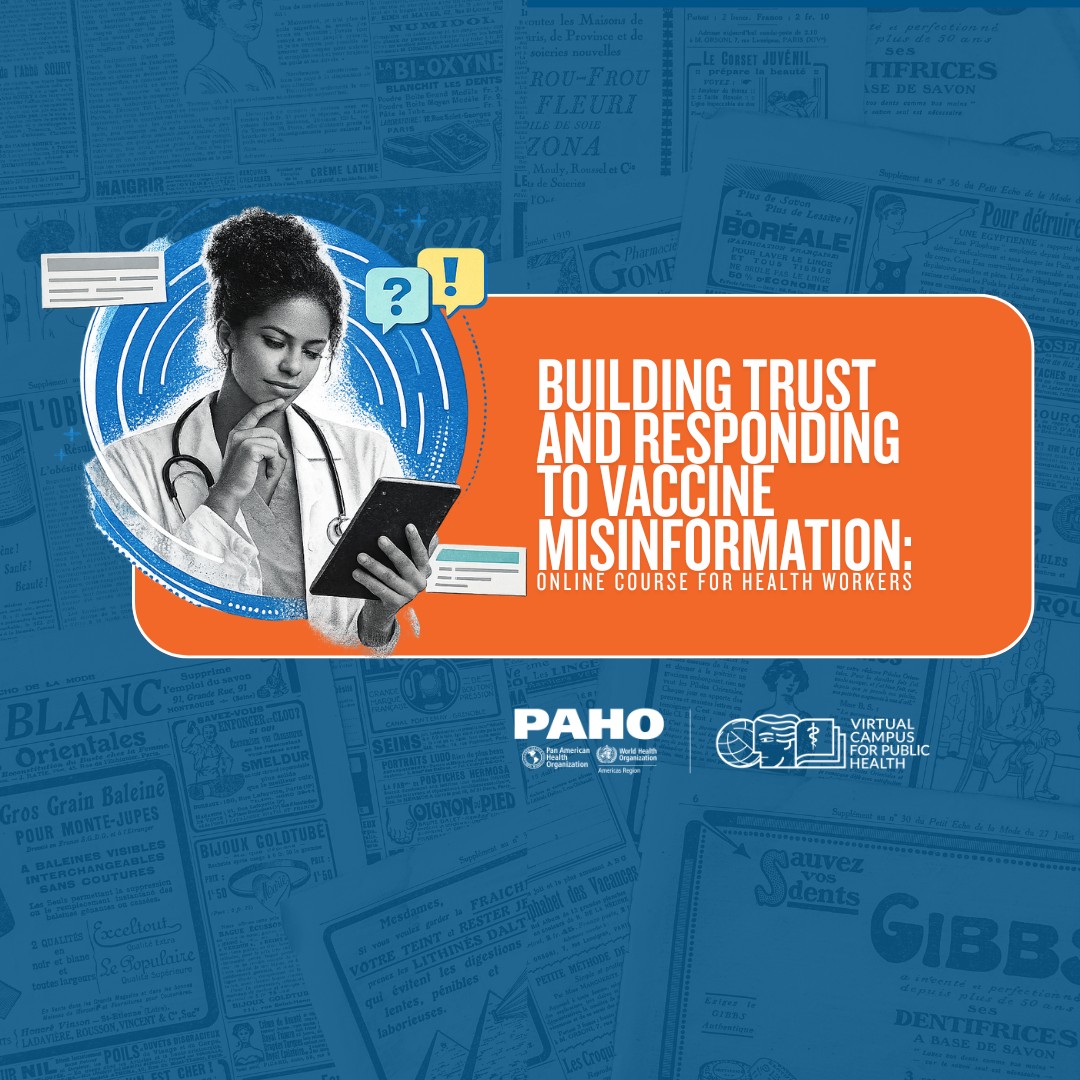
Course Overview:
This course provides health workers with practical, evidence-based strategies to identify and respond to vaccine misinformation, communicate effectively with patients and communities, and strengthen confidence in vaccination.
Course modality:
Self-learning (self-paced)
Course duration:
3 hours
Introduction
Studies have shown that exposure to false information about vaccines can negatively impact individuals' attitudes toward and actions regarding vaccination, even among those who have previously been vaccinated. And while health workers are the most trusted source of information on vaccines, they too can fall prey to vaccine misinformation.
This course equips participants with the skills and knowledge needed to identify vaccine misinformation, respond effectively to patients’ and community members’ concerns, advocate for vaccination, and support colleagues in strengthening confidence in immunization. In addition, it provides practical recommendations to address vaccine hesitancy among health workers and to foster pro-vaccine norms within clinical and programmatic settings.
Purpose
The purpose of this course is to equip health workers and immunization program managers (EPI managers) with the skills and knowledge needed to identify and respond to vaccine misinformation.
The course also provides practical recommendations to address vaccine hesitancy among health workers, foster pro-vaccine norms in the workplace, and strengthen communication skills through clear, assertive, and empathetic conversations that build trust.
Competencies
The course aims to provide opportunities for the development of the following competencies:
- Analyze vaccine-related content by recognizing common misinformation tactics, persuasive techniques, and red flags in digital and community contexts.
- Interpret and communicate accurate vaccine information in a clear, respectful, and evidence-informed manner when addressing questions or concerns from patients, community members, or colleagues.
- Differentiate between prebunking and debunking approaches and explain when each strategy may be appropriate in clinical or programmatic settings.
- Contribute to strengthening vaccine confidence by identifying actions that support pro-vaccine norms, advocate for immunization, and reduce hesitancy among health workers within their workplace or immunization program.
Learning Objectives
By the end of this course, participants will be able to:
- Explain what vaccine misinformation is, how it spreads, and the common tactics used to make it persuasive.
- Identify red flags and misleading content related to vaccines in digital and community settings.
- Describe evidence-based strategies, including prebunking and debunking, used to respond to vaccine misinformation.
- Advocate for vaccination and never miss opportunities to vaccinate.
- Recognize practical approaches to addressing vaccine hesitancy among health workers and fostering pro-vaccine norms within clinical and programmatic settings.
Intended Audience
This course is intended for health workers, including physicians, nurses, community health workers, and other health professionals who interact with patients and communities. It is also relevant for immunization programme managers and other public health professionals involved in vaccination programmes. The course is designed for participants who may encounter questions, concerns, or misinformation about vaccines and wish to strengthen their ability to identify and respond to vaccine misinformation effectively.
Course Modality
Self-learning course, free of charge, open to the public, and without deadlines for completion. It is a complement to the course Communication on vaccine safety: Guidance to support Health Care Workers , with interactive questions and examples dispersed throughout the modules and a quiz at the end of each module.
Course Duration
3 hours.
The course is divided into 3 modules, plus an introduction and summary.
Course Structure
- Introduction to vaccine misinformation and health workers
- Module 1: Vaccine misinformation is everywhere – how can we identify it?
This module will teach participants about the motivation to create vaccine misinformation, as well as common tactics used to trick people. The module will also go over red flags that can alert participants that the content they’re consuming is false. - Module 2: Responding to vaccine misinformation with prebunking and debunking
This module goes over two common evidence-based approaches that can be used to combat vaccine misinformation: prebunking, which happens before individuals are exposed to misinformation and focuses on warning people about misinformation and improving health, media and digital literacy; and debunking, which happens after people have been exposed to misinformation and focuses on replacing the incorrect information with the truth. - Module 3: Supporting health workers to be effective vaccine advocates and building pro-vaccine norms
This module shares evidence-based practices for correcting vaccine misinformation and addressing vaccine hesitancy with patients, community members, and fellow health workers. It gives guidance on how health workers can advocate for vaccination and never miss opportunities to vaccinate. It provides practical advice for leadership to implement to create a pro-vaccine environment in clinical and community settings. - Course Summary and Closing
Evaluation and Certification
At the end of each module, participants will have access to self-assessment exercises designed to support the assimilation of the course content. These exercises may be completed as many times as needed in order to encourage self-reflection and reinforce learning.
Participants who complete all course activities, obtain a passing grade of 70% or higher in the final assessment, and complete the Virtual Campus for Public Health (VCPH) Quality Survey will be able to download a certificate of completion issued by the Pan American Health Organization (PAHO).
Knowledge Resources
For additional information, participants can see the following resources:
- Communication on vaccine safety: Guidance to support Health Care Workers
- Combating false information on vaccines: A guide for EPI managers
- Combating false information on vaccines: A guide for health workers
- Communicating about Vaccination-related Risks
There is also content available on PAHO’s webpage on how to manage false information about vaccines: